Dereinne Club Session 1 Recap: What We Learned About Creator Partnerships in 2025
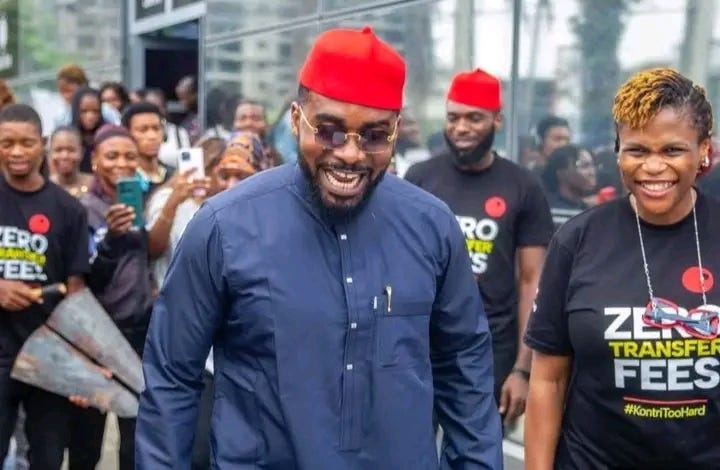
On November 26, 2025, Dereinne launched its first Club session — a live discussion on what worked (and what didn’t) in creator-brand partnerships this year.
Abidat Ibrahim and Blessing Onyelobi led 20 marketing professionals through an honest breakdown of campaigns, mistakes, and lessons for 2026.
Here’s what stood out.
The Win — Sterling Bank x Uzo Arukwe
Blessing walked through Sterling Bank’s collaboration with actor Uzo Arukwe during the peak of the Odogwu/Achalugo cultural moment from the film A Tribe Called Judah.
What made it work:
- Timing: Struck while the Odogwu hype was at its peak
- Organic fit: Invited Uzo to open a Sterling account, making it feel authentic (not just a paid post)
- Fan transfer: Leveraged existing love for Uzo and directed it toward Sterling
- Incentive alignment: Used “Odogwu” as a promo code for cashback, funneling excitement into account openings
- Organic spread: Content trended without paid amplification across TikTok, Twitter, Instagram, Facebook
The lesson: Cultural timing + authentic integration beats forced celebrity endorsements.
The Flop — When Creators Promote Competing Products
Blessing shared a painful lesson from a financial services campaign where a creator promoted their app as “the one thing that’s been helping my family save money.”
Two weeks later, the same creator promoted a direct competitor with identical messaging.
What went wrong:
- No exclusivity clause in the contract
- Audience saw both ads and questioned authenticity
- Brand credibility took a hit
The lesson: Put exclusivity clauses in creator contracts. Minimum 60–90 days before they can promote competing products in the same category.
The FYP Fallacy — Your Timeline Isn’t Your Target Audience
Blessing challenged the common practice of brands picking creators based on personal preference:
“I don’t see Sabinus on my timeline. But I know campaigns where he’s the perfect fit. Creator selection isn’t about who YOU like — it’s about who reaches YOUR audience.”
What brands should evaluate instead:
- Audience alignment: Does this creator’s audience match your customer profile?
- Engagement quality: Not just follower count — actual comments, shares, saves
- Personality fit: Can your brand handle their controversies if they blow up?
The lesson: Data and strategy should drive creator selection, not executive preference.
The Cult Following Dilemma
The conversation turned to controversial creators with fiercely loyal fanbases (Odumodublvck, Burna Boy).
The trade-off:
- High reward: Cult followings deliver engaged audiences and real results
- High risk: If the creator gets cancelled, their fans might turn on your brand
The question brands must ask: Do you have the courage (“liver,” as Abidat put it) to partner with someone whose next tweet could spark backlash?
The lesson: Know your risk tolerance before signing controversial talent.
Dereinne Club Session 1 proved what we believed: marketers want honest conversations about creator partnerships — not agency sales pitches.
47 people registered. 20 attended live. And the insights shared will shape how brands approach creators in 2026.
Session 2 is coming soon. Stay tuned.
If you need help executing creator campaigns with the lessons we discussed, reach out: dereinne.com
Dereinne - Creator Marketing. Without the bullshit.